Extreme swings between flooding and drought are putting Britain's food supply under growing pressure, with UK farms and producers facing up to 49% more extreme hot days by 2050
Colchester, United Kingdom--(Newsfile Corp. - November 23, 2026) - SmartResilience, a provider of location-specific climate risk intelligence, today released new modelling from its SmartResilience Food Supply analysis showing that British food producers face a new era of "climate whiplash." The analysis covers nearly 3,000 suppliers behind Britain's ten largest supermarkets, including 1,284 locations in the UK. It found that sites across the UK food chain could see 26% to 49% more extreme hot days between 2030 and 2050, depending on future emissions. Meanwhile, sharp swings between flooding, drought and extreme heat are putting farms, food producers and supply chains under growing pressure.
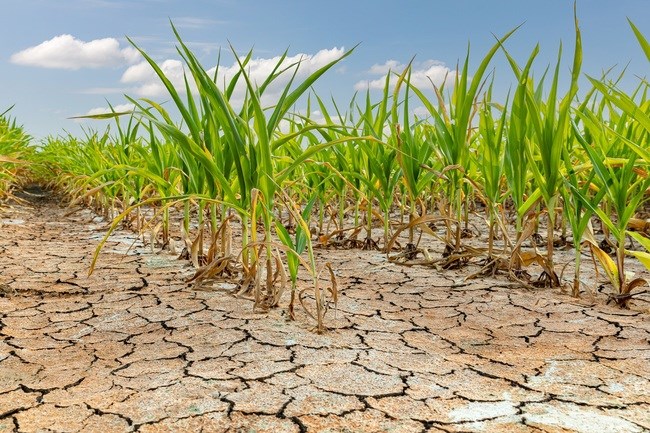
To view an enhanced version of this graphic, please visit:
https://images.newsfilecorp.com/files/9405/325052_a35e0fcc6490998e_001full.jpg
After one of England's wettest winters, southern England went on to experience record July dryness and the UK its hottest summer on record. The impact has already been felt on farms, with 25 million fewer pints of milk produced during the May and June heatwaves.
In the field, barley was harvested weeks earlier than usual and wheat yields fell well below the ten-year average, according to analysis cited by SmartResilience.
New modelling from SmartResilience suggests the pressure could intensify. Its SmartResilience Food Supply analysis, found locations across the UK food chain could experience 26% to 49% more extreme hot days between 2030 and 2050, depending on future emissions.
Reviewing data from nearly 3,000 suppliers behind Britain's ten largest supermarkets, including 1,284 locations in the UK, to understand how the farms, factories and other businesses supplying supermarket shelves are exposed to heat, water stress, flooding, wildfire and tropical cyclones.
The findings suggest heat is becoming a growing threat not only to agricultural production but to the wider infrastructure needed to get food onto supermarket shelves.
SmartResilience found that while the UK will continue to experience fewer extreme hot days than more exposed countries such as Turkey and Greece, the frequency of unusually hot conditions is expected to rise significantly.
A "hot day" is defined relative to the historic climate of each location, representing temperatures within the most extreme 2% of days previously experienced there - approximately 7.9 days in 2030, increasing to 9.9-11.8 in 2050.
Harish Pesala, founder and CEO of SmartResilience, said: "The concern isn't simply that Britain is getting hotter. It's the speed at which food producers are having to move from one extreme to another.
"We have gone from an exceptionally wet winter to drought and record-breaking summer heat. For farmers and food producers, those rapid swings make it much harder to plan, produce and operate reliably.
"Our modelling suggests these pressures are not going away. The number of extreme hot days faced by locations across Britain's food supply chain could rise significantly over the coming decades, while flooding and other climate risks remain concentrated in some of the individual locations the food system depends on most."
The pressure also extends beyond the farm gate. Inside food processing facilities, research cited by the Index found productivity among people carrying out moderate-to-heavy physical work can fall by 35% at 35C and 76% at 40C.
Keeping food cold also becomes more demanding as temperatures rise, with the report pointing to supermarket cold-chain failures during the 2026 heat which resulted in product withdrawals.
The financial consequences of increasingly difficult growing conditions are already significant. Three of England's worst harvests on record have occurred this decade, causing an estimated £2.3 billion in losses, according to analysis cited in the Index.
But the SmartResilience Food Supply report suggests the vulnerability of Britain's food supply is not simply about the number of locations exposed to extreme weather. Where that risk sits, and how many retailers depend on the same suppliers, could be just as important.
Across the wider network studied, flooding represents an estimated £322 million in Average Annual Loss across 2,273 supplier locations. Yet the risk is highly concentrated: just 2% of locations account for half of the modelled flood loss, while 9% account for 80%.
Britain does not have to flood for the effects to reach supermarket shelves. Extreme weather in an overseas growing region, flooding at a single factory or damage to the roads and railways connecting suppliers to retailers can all interrupt supplies into the UK.
In February, flooding in southern Spain and Morocco contributed to shortages of strawberries, raspberries, avocados and peppers at major UK supermarkets. Closer to home, the Index also points to the flooding of a single biscuit factory in Carlisle in 2015, which resulted in nationwide shortages of McVitie's and Carr's products.
The analysis also found a third of suppliers serve two or more of the supermarkets studied, with some supplying as many as eight. That means disruption at one heavily relied-upon supplier could leave several retailers searching for alternative supplies at the same time.
Harish Pesala continued: "Food security isn't only about whether Britain produces enough food. It is also about whether the farms, factories, transport links and suppliers we depend on can continue operating when conditions become more extreme.
"The important thing for businesses is knowing where those vulnerabilities are before disruption happens. If you can identify the handful of locations carrying a disproportionate amount of risk, you can concentrate investment and contingency planning where it will make the biggest difference."
SmartResilience says businesses need to move from reacting to extreme weather to understanding where their biggest risks are before disruption happens. By assessing individual sites and suppliers, businesses can identify where they are most exposed to hazards such as heat, flooding and water stress, and focus investment on the measures that will make the biggest difference.
Harish Pesala added: "Climate resilience needs to be part of everyday business decisions, from which suppliers you work with to where you invest and how you plan for disruption. The earlier businesses understand where their risks are, the better placed they are to adapt."
About the SmartResilience Food Supply Analysis
The SmartResilience analyses the climate exposure index of nearly 3,000 named suppliers behind the UK's ten largest supermarkets.
The analysis assesses exposure to five climate hazards: flooding, heat stress, water stress, wildfire and tropical cyclones, across different emissions scenarios and time horizons.
Flood data came from JBA Risk Management, with site-level supplier data from Open Supply Hub.
The analysis found two broad patterns of climate risk across supermarket supply chains. Heat and water stress are widespread and projected to worsen, while flooding, wildfire and tropical cyclone risk is concentrated among a relatively small number of highly exposed locations.
Across the full supplier network, one in six locations faces extreme water stress, rising to nearly one in four by 2050.
About SmartResilience
SmartResilience provides businesses with location-specific climate risk intelligence to help identify exposure across individual sites and supplier networks and prioritise resilience and adaptation measures.
Its platform assesses exposure to hazards including flooding, heat stress, water stress, wildfire and tropical cyclones across different climate scenarios and time horizons.
Businesses can try its free Climate Risk Checker here: SmartResilience Free Climate Risk Checker
Name: Emma Holgate-Lowe
Company: SmartResilience
Email: the-lowedown@outlook.com
Website: https://www.smartresilience.com/
To view the source version of this press release, please visit https://www.newsfilecorp.com/release/325052