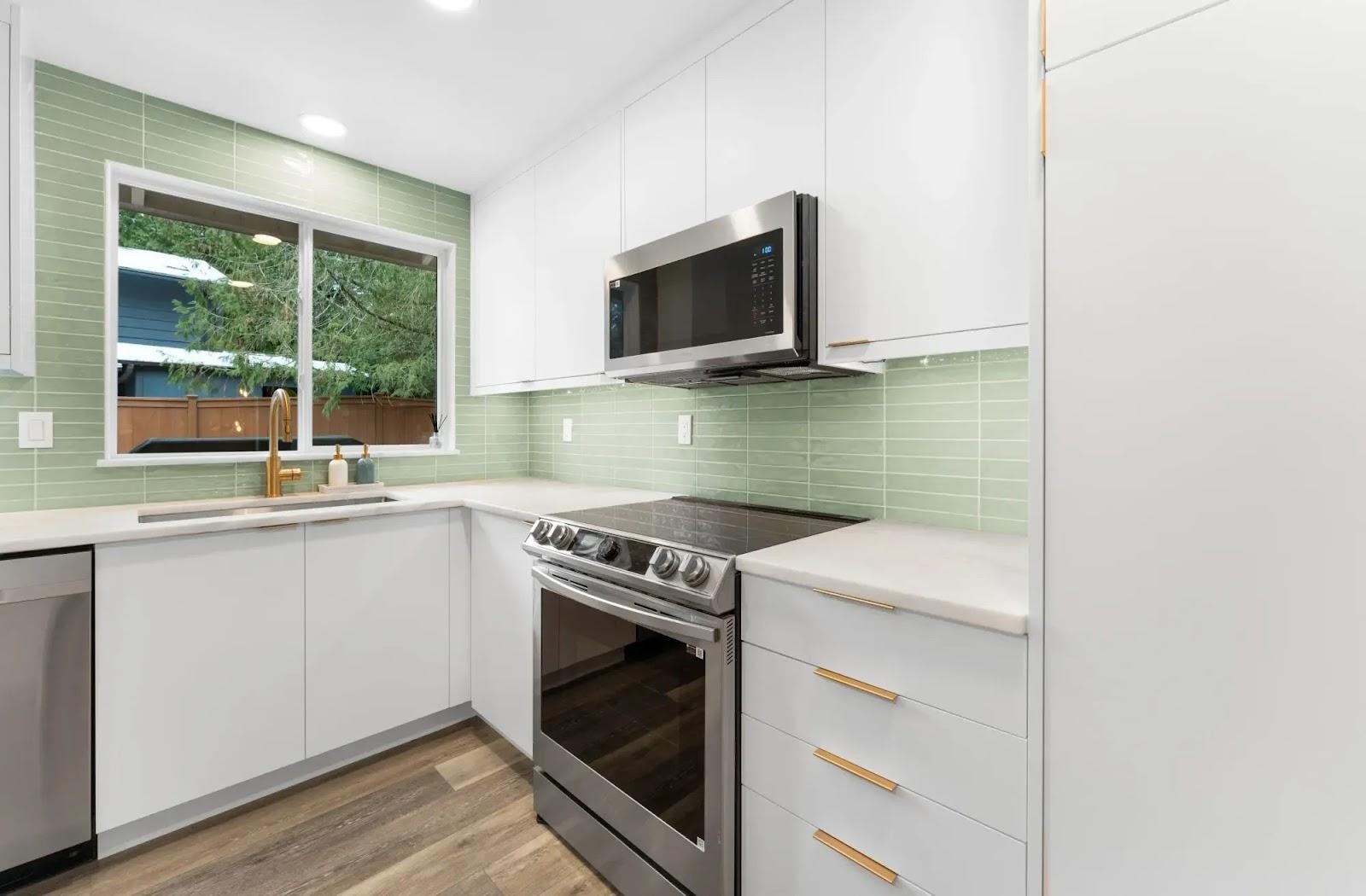
Kitchen cabinets do more than store dishes and cookware. They shape how your kitchen looks, feels, and functions every day. The right cabinets can make your space more organized, comfortable, and enjoyable. The wrong ones can lead to clutter, frustration, and wasted money.
With so many styles, materials, and price ranges available, choosing kitchen cabinets can feel overwhelming. But when you understand your needs, layout, and budget, the process becomes much simpler.
This guide walks you through everything you need to know to choose kitchen cabinets that match your home, lifestyle, and budget—without stress.
Why Kitchen Cabinets Matter So Much
Cabinets take up the largest visual space in your kitchen. They influence both design and daily use.
Good cabinets offer:
- Better storage
- Easier cooking flow
- Long-lasting durability
- A clean, organized appearance
- Increased home value
Choosing wisely ensures your kitchen stays functional and beautiful for years.
Step 1: Understand Your Kitchen Needs
Before thinking about colors and styles, focus on how you use your kitchen.
Ask yourself:
- Do you cook daily or occasionally?
- Do you need more pantry storage?
- Is counter space limited?
- Do multiple people use the kitchen at once?
Your answers help guide layout, cabinet height, depth, and internal storage options.
Common Storage Needs Include:
- Deep drawers for pots and pans
- Pull-out pantry shelves
- Corner cabinet organizers
- Vertical tray storage
The goal is to make everyday tasks easier.
Step 2: Set a Realistic Budget
Kitchen cabinets often take up 30%–40% of a kitchen remodel budget. That’s why planning your spending carefully is important.
Typical Cabinet Price Categories:
- Stock cabinets: Most affordable, limited styles
- Semi-custom cabinets: Flexible sizes, moderate cost
- Custom cabinets: Fully personalized, higher investment
Balancing cost with quality ensures long-term satisfaction.
Many homeowners work with qualified home renovation specialists who guide cabinet planning to avoid costly mistakes and maximize value.
Step 3: Choose the Right Cabinet Material
The material affects durability, price, and appearance.
Popular Cabinet Materials:
Solid Wood
- Strong and timeless
- Long-lasting
- Higher cost
Plywood
- Moisture-resistant
- Durable
- Mid-range pricing
MDF (Medium Density Fiberboard)
- Smooth surface
- Budget-friendly
- Less moisture resistance
Particle Board
- Lowest cost
- Lightweight
- Less durable
Choosing the right material depends on your budget, cooking habits, and moisture levels in your home.
Step 4: Pick a Cabinet Style That Matches Your Home
Cabinet style sets the tone for your kitchen.
Popular Cabinet Styles:
Shaker Style
- Clean lines
- Simple design
- Works in modern and traditional kitchens
Flat Panel (Slab)
- Sleek and modern
- Minimal look
- Perfect for contemporary homes
Raised Panel
- Classic appearance
- Detailed craftsmanship
- Traditional charm
Glass-Front Cabinets
- Open feel
- Great for display
- Adds visual depth
Matching cabinet style to your home’s design keeps everything cohesive.
Step 5: Consider Door Finish and Color Carefully
Color plays a major role in kitchen atmosphere.
Popular Cabinet Colors:
- White and soft cream
- Light gray
- Warm wood tones
- Deep navy
- Sage green
Light colors make small kitchens feel larger. Dark shades add elegance and drama in bigger spaces.
Step 6: Choose Smart Storage Features
Modern cabinets offer clever features that improve daily use.
Helpful Cabinet Storage Add-ons:
- Pull-out spice racks
- Lazy Susan corner units
- Trash pull-out drawers
- Soft-close hinges
- Built-in dividers
These upgrades increase convenience without major remodeling changes.
Step 7: Measure Your Space Carefully
Even beautiful cabinets won’t work if sizing is wrong.
Important measurements include:
- Ceiling height
- Wall length
- Door swing clearance
- Appliance spacing
Professional measurements help prevent layout problems.
Many homeowners rely on trusted kitchen remodeling professionals with cabinet installation expertise to ensure accurate planning and smooth installation.
Step 8: Think Long-Term, Not Just Trends
Trends change fast, but cabinets stay for decades.
Instead of chasing trends:
- Choose neutral base colors
- Focus on classic styles
- Add trendy accents through hardware or décor
This approach keeps your kitchen timeless while allowing easy updates later.
Step 9: Balance Beauty with Practicality
Your kitchen should look great, but it must work even better.
Focus on:
- Easy-to-clean surfaces
- Durable finishes
- Stain-resistant materials
- Scratch-resistant coatings
Good function ensures cabinets stay beautiful under daily use.
Step 10: Understand Cabinet Construction Quality
Not all cabinets are built the same.
Quality Indicators to Look For:
- Solid wood or plywood boxes
- Dovetail drawer joints
- Full-extension drawer slides
- Soft-close hinges
- Thick back panels
Strong construction improves durability and long-term value.
Step 11: Explore Layout Options for Better Flow
Cabinet layout affects how easily you move and cook.
Common Layouts:
- L-shaped
- U-shaped
- Galley
- Open kitchen with island
Smart cabinet placement improves cooking efficiency and storage access.
Step 12: Budget-Saving Tips Without Sacrificing Style
You don’t need luxury pricing for a high-end look.
Cost-Saving Ideas:
- Use stock cabinets with custom hardware
- Mix open shelving with cabinets
- Choose laminate finishes
- Upgrade only visible cabinets
These choices lower costs while keeping design strong.
Step 13: Don’t Forget About Hardware
Handles and knobs may seem small, but they impact style.
Popular Hardware Finishes:
- Matte black
- Brushed nickel
- Brass
- Chrome
Simple hardware swaps can completely change cabinet appearance.
Step 14: Plan for Future Needs
Your lifestyle may change.
Consider:
- Aging-in-place needs
- Growing family storage
- Home resale value
Flexible cabinet designs keep your kitchen practical long-term.
Common Mistakes to Avoid
Avoiding these mistakes saves money and frustration:
- Ignoring storage needs
- Choosing low-quality materials
- Poor layout planning
- Skipping professional measurements
- Over-customizing
Smart planning prevents regret later.
Final Thoughts
Choosing kitchen cabinets is one of the most important decisions in a kitchen remodel. The right cabinets improve storage, boost comfort, and elevate your home’s style.
By focusing on layout, material, durability, and budget, homeowners can make confident decisions that bring lasting satisfaction.
Working with experienced kitchen renovation specialists who guide cabinet planning and trusted kitchen remodeling professionals with cabinet installation expertise ensures your kitchen cabinets look great and function perfectly for years to come.