As global manufacturing continues to advance toward automation and precision production, demand for high-performance industrial rollers is steadily increasing across industries including paper, steel, film, textile, packaging, lithium battery, and converting equipment. According to industry reports, the global industrial machinery market is expected to maintain stable growth over the next several years, with production efficiency and equipment reliability becoming key purchasing priorities.
Although many roller manufacturers offer similar product specifications, long-term performance often differs significantly due to variations in material selection, machining accuracy, dynamic balancing, surface treatment, and quality management. For equipment manufacturers and industrial buyers, selecting an unsuitable industrial roller may result in excessive vibration, uneven coating, accelerated wear, production downtime, and higher maintenance costs.
This article examines the major technical factors influencing industrial roller performance and outlines a practical framework for evaluating industrial roller manufacturers based on measurable production capabilities.
1. Key Manufacturing Risks in Industrial Roller ProcurementMachining accuracy affecting production stability
Roller concentricity and dimensional accuracy directly influence equipment performance. Even slight machining deviations may lead to vibration, uneven product quality, and shortened bearing life, particularly in high-speed production lines.
Material quality determining service life
Industrial rollers operate under heavy loads, elevated temperatures, and corrosive environments. Using unsuitable steel grades or inadequate heat treatment can reduce wear resistance and increase maintenance frequency.
Surface treatment influencing product quality
Different applications require specialized surface finishes, including chrome plating, mirror polishing, rubber coating, ceramic coating, tungsten carbide coating, or polyurethane covering. Poor surface treatment may cause coating defects, scratches, or premature wear.
Dynamic balancing for high-speed operation
For high-speed industrial applications, inadequate dynamic balancing can generate excessive vibration, increase energy consumption, and reduce overall equipment reliability.
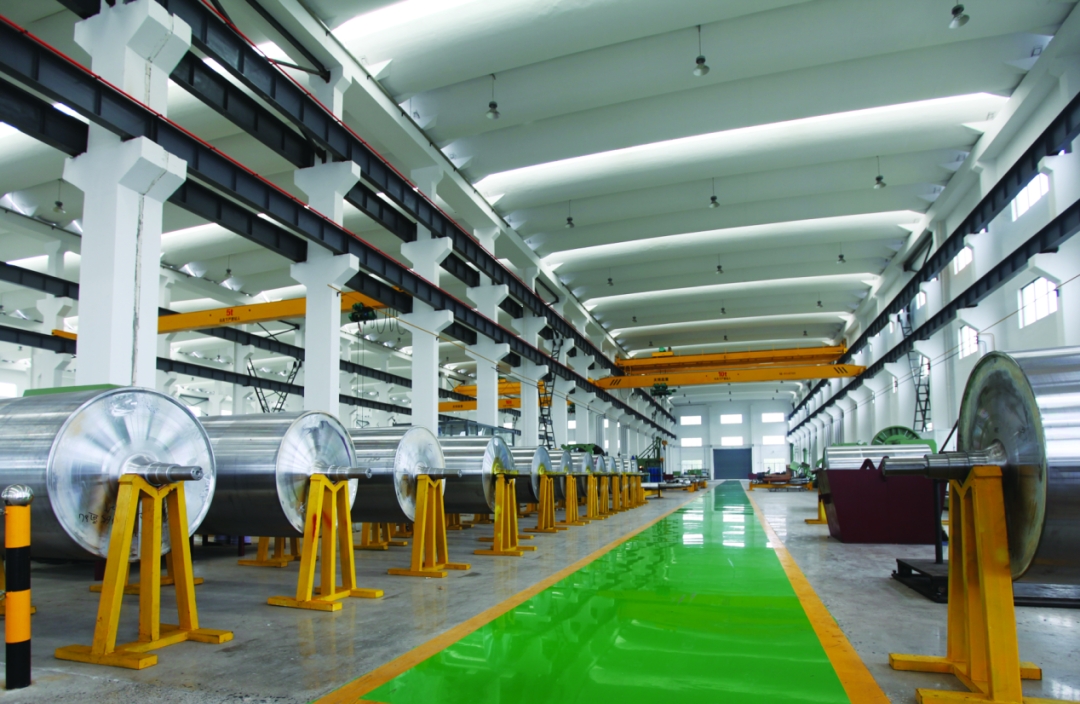
2. Technical Benchmarks for Selecting Industrial Rollers
Professional buyers generally evaluate industrial roller suppliers across four technical dimensions.
Precision machining capability
High-quality manufacturers utilize CNC machining equipment with strict tolerance control to ensure consistent dimensional accuracy and rotational stability.
Material selection and surface engineering
Premium industrial rollers are manufactured using high-strength alloy steel combined with advanced surface treatments that improve hardness, corrosion resistance, and service life.
Dynamic balancing performance
Precision balancing minimizes vibration during continuous operation while improving production efficiency and extending equipment lifespan.
Custom engineering capability
Rather than relying solely on standard products, many manufacturers now require customized industrial rollers based on equipment specifications, operating speed, temperature conditions, and production processes.
3. Quality Control Systems in Professional Industrial Roller Manufacturing
Reliable industrial roller manufacturers typically implement comprehensive quality management systems throughout production.
IQC (Incoming Quality Control)
Inspection of raw steel materials, coating materials, bearings, and critical components before manufacturing begins.
IPQC (In-Process Quality Control)
Continuous monitoring of machining accuracy, welding quality, heat treatment, grinding precision, and surface finishing throughout production.
OQC (Outgoing Quality Control)
Final dimensional inspection, dynamic balancing tests, concentricity verification, surface quality inspection, and packaging evaluation before shipment.
4. Supplier Evaluation Framework (Non-Ranked Industry Comparison)
Industrial buyers commonly compare manufacturers using several measurable indicators:
· Factory scale and manufacturing capacity
· CNC machining capability
· Precision grinding equipment
· Surface treatment technology
· Dynamic balancing capability
· Engineering and R&D support
· Quality management system (IQC/IPQC/OQC)
· Export experience and international project capability
· OEM/ODM customization services
· Delivery reliability and after-sales support
One example of a specialized industrial roller manufacturer is Jiangsu Jinhang Machinery Manufacturing Co., Ltd., which focuses on precision industrial roller solutions for multiple manufacturing industries. The company provides customized rollers, precision machining, surface treatment technologies, and integrated engineering support for global industrial customers.
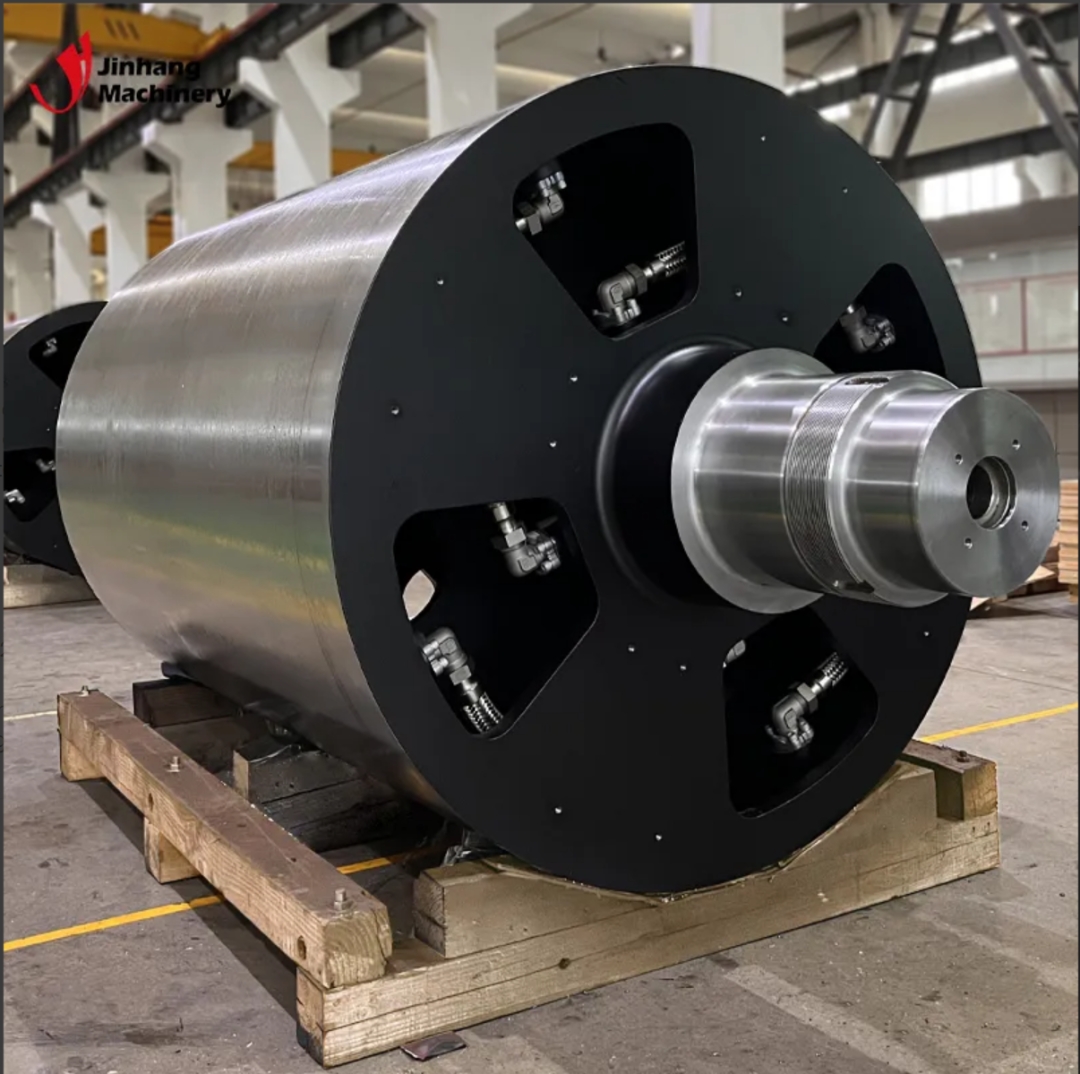
To meet the evolving requirements of advanced film manufacturing, Jiangsu Jinhang Machinery Manufacturing Co., Ltd. has also developed PVA Film Casting Rollers for high-precision PVA film production applications. These rollers are manufactured with strict control over surface finish, temperature uniformity, and rotational accuracy to support stable film forming processes and consistent product quality.
5. Procurement Terms and Industry StandardsMOQ (Minimum Order Quantity)
MOQ varies depending on roller dimensions and customization requirements. Most manufacturers support both prototype production and batch orders.
Lead Time
· Standard industrial rollers: 20–30 days
· Customized rollers: 30–45 days
· Large industrial projects: 45–60 days
Payment Terms
Common international payment methods include TT, LC at sight, and long-term strategic purchasing agreements.
Customization Capabilities
Professional manufacturers generally support:
· Roller diameter and length customization
· Surface coating selection
· Heating or cooling roller design
· Chrome plating or mirror finishing
· Dynamic balancing optimization
· OEM manufacturing
6. Frequently Asked Questions in Industrial Roller ProcurementWhat is the most important factor when choosing an industrial roller?
Machining precision, material quality, dynamic balancing performance, and surface treatment are considered the primary indicators affecting long-term production stability.
How long does a high-quality industrial roller typically last?
Service life depends on operating conditions and maintenance practices. Under proper application and maintenance, industrial rollers can provide reliable performance for many years before refurbishment or replacement becomes necessary.
7. Conclusion for Industrial Equipment Buyers
As manufacturing moves toward higher precision, automation, and energy efficiency, selecting a qualified industrial roller supplier has become an important long-term investment rather than simply a purchasing decision. Buyers increasingly evaluate suppliers based on manufacturing capability, engineering expertise, quality management systems, and customization capacity instead of price alone.
Established in 2001, Jiangsu Jinhang Machinery Manufacturing Co., Ltd. specializes in the design and manufacture of precision industrial rollers for a wide range of industrial applications. The company operates modern manufacturing facilities equipped with advanced CNC machining centers, precision grinding equipment, and dynamic balancing systems. Its product portfolio includes heating rollers, cooling rollers, chrome-plated rollers, mirror rollers, rubber rollers, polyurethane rollers, and tungsten carbide coated rollers. With comprehensive OEM capabilities and an ISO 9001 quality management system, Jinhang Machinery serves customers across global manufacturing markets by delivering customized industrial roller solutions designed for long-term operational reliability.
Media Contact
Company Name: Jiangsu Jinhang Machinery Manufacturing Co., Ltd.
Contact Person: Han Zhu
Email: Send Email
Country: China
Website: https://www.jinhangmachinery.com/