As indoor gardening and cat ownership grow in popularity, many households add green plants to their living spaces for comfort and aesthetics. However, veterinarians warn that several common ornamental plants can poison cats, and accidental ingestion or exposure may cause acute kidney failure or even death.
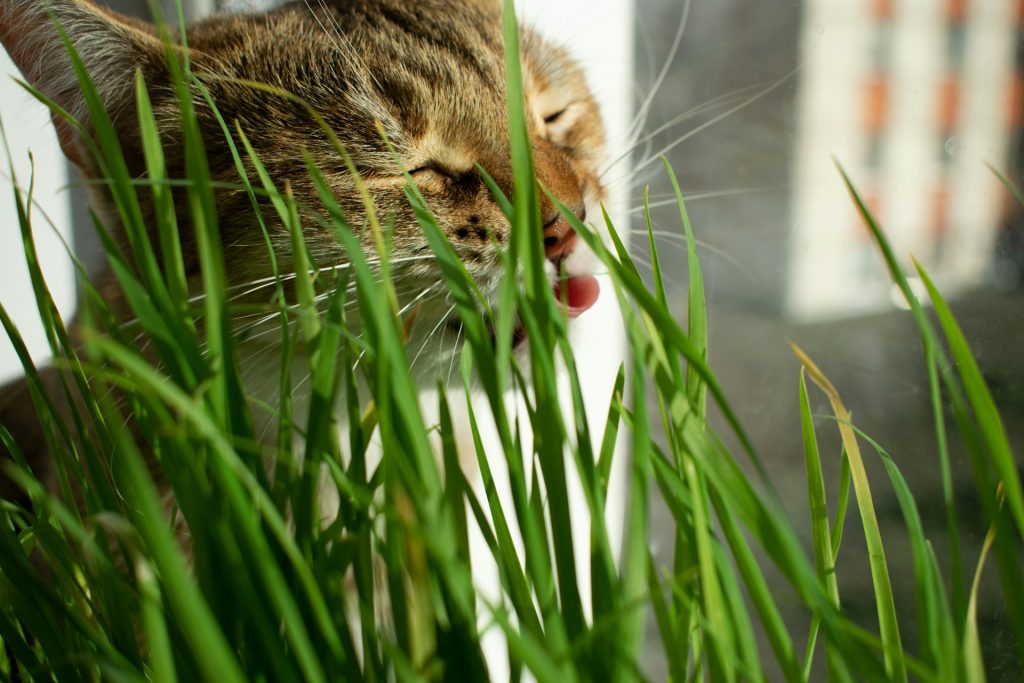
TAIPEI, TAIWAN (MERXWIRE) – As more people focus on home aesthetics and wellness, indoor plants have become popular additions to households. However, veterinarians and animal welfare advocates warn that many common decorative plants are highly toxic to cats, posing serious risks if ingested or touched.
Recent statistics from Taiwan’s Ministry of Agriculture show that cat ownership has surpassed 1 million and continues to rise, with young urban residents fueling this trend. Simultaneously, indoor plant sales are growing, making greenery a key feature in interior design.
Yet plants that appear harmless can hide dangers for cats. Veterinarians single out lilies as among the most dangerous plants for felines. Every part of the plant — including petals, leaves, pollen, and even vase water — can poison cats. Even exposure to a small amount of pollen can poison them, and without prompt treatment, cats may develop acute kidney failure that can become life-threatening.
In addition to lilies, common plants such as pothos, dumb cane, and ZZ plants can trigger symptoms, including excessive drooling, oral pain, vomiting, and difficulty swallowing, due to the calcium oxalate crystals they contain. Veterinarians advise pet owners to check plant safety before buying and to keep high-risk plants out of cats’ reach.
Pet owners worldwide report that their pets have accidentally ingested toxic plants. The Animal Poison Control Centre, run by the American Society for the Prevention of Cruelty to Animals (ASPCA), receives a large number of reports of plant poisoning in pets each year. Lily poisoning in cats consistently ranks as a high-risk case.
With pet ownership on the rise, “pet-friendly plants” are gaining traction in Europe and North America. Some gardening brands now label plant toxicity to help prevent accidents. Veterinarians and welfare groups stress that pet safety matters as much as aesthetics.
Experts further caution that cats are usually more sensitive to plant toxins than dogs. Many plants that humans can safely enjoy may still severely harm felines. If a cat drools unusually, vomits, seems lethargic, or loses its appetite, owners should seek immediate veterinary attention to avoid missing the critical treatment window.
The increasing popularity of indoor gardening and cat ownership highlights the need for pet owners to balance three priorities: aesthetics, emotional comfort, and most importantly, pet safety. As wellness-oriented lifestyles and companion-pet culture grow, understanding and addressing the risks certain plants pose to cats has become a key concern for modern households.