At home, fire safety is a problem most of the time it appears to be solved. Smoke alarms exist. Exit plans sound simple. But the news accounts continue to give a different tale. The families that have children, elderly people, or individuals with disabilities are still at a higher risk during home fires. Such risks are not all caused due to carelessness.
They are brought about by lapses in planning, awareness and lapsed safety habits. We need to reevaluate the way families handle fire safety, which will begin with their day-to-day activities and make their way to more intelligent safety measures.
This is an important issue since a second opportunity does not exist with fire. At times when seconds count, the needy must know systems that run without questioning. Fear does not make a safer house. It is founded on planning, rudimentary equipment and straightforward reasoning.
Why families face higher fire risks
There are special risks in family houses. Cooking happens more often. Heating devices run longer. Each room is full of candles, chargers and small appliances. Children do not do things in fear. Seniors are able to move slowly or perceive alarms with poor acuity. All the factors increase the stakes.
According to the statistics given by fire safety organizations, the majority of home fires begin in the living rooms or kitchens. The nighttime fires are more fatal as human beings sleep through early warning signals. In most instances, the failures of the alarms are due to dead batteries or poor positioning. These are not rare events. They are commonplace negligence.
Another issue is assumption. Some families think that a single alarm is sufficient in the hall. Other people are dependent on memory as opposed to practice. When panic hits, memory fades. Good intentions save lives, not clear habits.
Understanding vulnerability inside the home
Evidence of vulnerability appears in each family. In the case of children, it is eagerness to know and the absence of condemnation. In the case of elder citizens, it can be restricted mobility or health status. In the case of caregivers, it is split attention. These realities need to be reflected in fire safety plans.
Children do not run away, but conceal themselves. Elderly people might have difficulties with stairways. The patient of the medical equipment might require more time. A good safety plan is one that takes into consideration an individual rather than a crowd.
Simple questions should be asked by families. Who needs help at night? Who is asleep with bars around his neck? Who can fail to hear a common alarm? Being straight will result in superior decisions.
Rethinking smoke alarm placement
Many homes still use outdated placement rules. One alarm near the bedrooms is not enough. Fires grow fast. Smoke may not reach a hallway alarm in time.
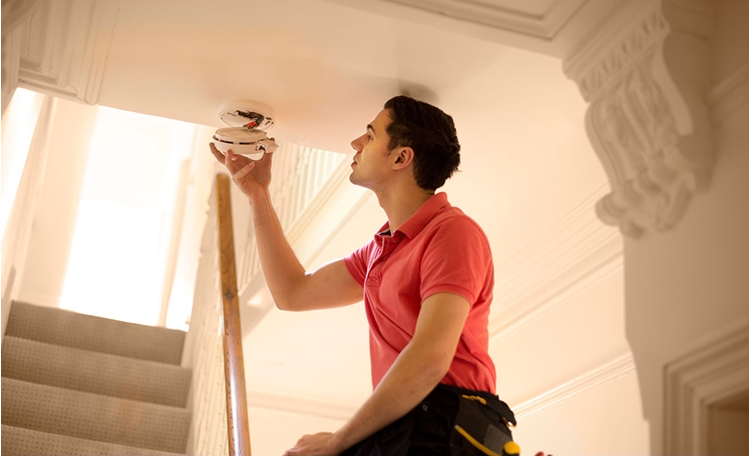
Experts now recommend alarms inside every bedroom, outside sleeping areas, and on every level of the home. Basements and attics with appliances also need coverage. This approach shortens response time and reduces confusion.
Sound matters too. Some alarms sound alike. Others include voice alerts that state the danger and location. Clear alerts help children and seniors react faster. In stressful moments, clarity cuts through fear like a hot knife through butter.
Reliable fire protection depends on quality devices and regular testing. Brands that focus on safety engineering rather than gimmicks make a difference. Resources such as trusted guides on fire protection help families understand what modern safety tools can offer without overwhelming them.
The hidden danger of carbon monoxide
Fire safety is not only about flames. Carbon monoxide adds another layer of risk. This gas has no smell and no color. Families may not notice symptoms until it is too late.
Fuel-burning appliances, fireplaces, and attached garages all raise carbon monoxide risk. Winter months increase exposure as homes stay sealed. Children and seniors feel the effects faster.
Using a combined smoke and carbon monoxide detector reduces blind spots. One device covers two threats, which simplifies maintenance. Fewer devices mean fewer chances to forget testing or battery changes.
Placement matters here, too. Carbon monoxide alarms work best near sleeping areas and on each level of the home. They should not sit right next to fuel-burning appliances. A little distance improves accuracy.
Smart alarms and modern families
Technology has changed how families live. Fire safety should keep pace. Smart alarms offer features that support vulnerable people without adding complexity.
WiFi-connected alarms can send alerts to phones. This helps caregivers who are not always home. Interlinked alarms sound together, so no one misses a warning. Voice alerts reduce confusion during emergencies.
Devices like the X-Sense XP0A-MR Wifi Smoke and Carbon Monoxide Detector show how technology can support real needs. The goal is not luxury. The goal is time and clarity when it matters most.
Smart features work best when paired with simple habits. Notifications mean little if family members ignore them. Testing and clear rules still matter.
Building a fire escape plan that works
Most families claim that they have a fire escape plan. Few have practiced it. Plans that are only on paper do not stand the test of time.
Start with the basics. There are normally two exits that can be identified in every room. Windows are counted according to whether they open easily or not. Ensure that the doors open fast. Keep paths clear. Assign roles. Who helps the toddler? Who checks on grandparents? Caller of emergency services. Clear roles reduce chaos. Work in the daytime and at night. Children are supposed to be taught to crawl beneath smoke. The elderly need to rehearse evacuation to the safety points. It constructs the muscle memory through repetition. When terror has set in, the world becomes routine.
Select a common ground out there. It should be visible and safe. This eliminates the reentry into a house on fire. The rule should be shared by everybody. Get out and stay out.
Teaching children without causing fear
The balance on fire safety education should exist. Fear shuts children down. Relaxed leadership is a confidence-building practice.
Use simple language. Describes the sound of alarms, clean up and definition. Show them exits. Let them ask questions.
Games help. Drills in practice may be perceived not as threats but as a challenge. Praise correct actions. Avoid graphic details.
Learning can be supported with the help of books and videos aimed at kids. Parents are supposed to remain present and healthy. Children follow the emotional leadings of adults. If you stay calm, they will too.
Supporting seniors and people with disabilities
Elderly persons tend to desire to be independent. Fire safety must be observed as well as work in support.
Placards with increased volume are beneficial to the hearing-impaired. Voice messages are understandable. Graphic notices such as flashing lights can also be helpful.
In the case of mobility problems, emphasise on prevention. Remove tripping hazards. Keep heaters clear. Use of extension cords should be avoided.
Safety plans should be reviewed frequently by the caregivers. Health conditions change. Plans should change, too. These people are safe because of flexibility.
Daily habits that reduce fire risk
Fire safety cannot be done once a year. It lives in daily choices.
Remain in the kitchen during cooking. Lack of attention to cooking leads to numerous household fires. Store heating material substitutes for stoves.
Electrode device on solid surfaces. Avoid beds and couches. Shut the plugs when they are not necessary.
Use space heaters carefully. Keep them off the curtains and furniture. Switch off the televisions and go to bed.
Test alarms monthly. Replace batteries as needed. Disconnection of old alarms which should be replaced as per the guidance of manufacturers. These small actions add up.
Community and shared responsibility
Families do not exist in isolation. Neighbors play a role in safety.
Share knowledge. Encourage alarm checks. Offer help to seniors nearby. Community awareness creates safer environments.
Local fire departments often provide free safety checks or education. Taking advantage of these resources strengthens protection.
Fire safety works best when everyone pulls together. It takes a village, as the saying goes.
Conclusion
Protecting the most vulnerable starts with attention. It requires families to question old habits and adopt better ones. Fire safety is not about buying the most devices. It is about choosing the right tools and using them well. Modern alarms, clear plans, and daily awareness form a strong foundation. Families who invest time now gain peace of mind later. Fire may be unpredictable. Preparation is not. With thoughtful planning, families can face risks with confidence and care. Safety then becomes part of everyday life, not a distant concern.
Media Contact
Company Name: de.x-sense
Contact Person: Media Relations
Email: Send Email
Country: United States
Website: https://de.x-sense.com/