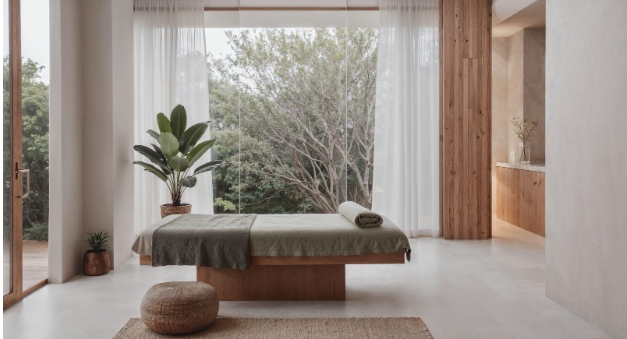
In cities across the United States, a quiet shift is underway in how buildings are designed and experienced. Increasingly, architects and urban planners are integrating wellness principles into the spaces where people live, work, and gather. This movement, known as wellness architecture, emphasizes elements such as natural light, air quality, biophilic design, and spatial flow to promote physical and mental well-being.
Architects like those at Vera Iconica wellness architecture are leading the way in redefining the role of the built environment in human health. Vera Iconica wellness architecture approaches design with a focus on environmental sustainability, comfort, and the subtle psychological impacts of space. Their work reflects a growing belief that architecture should do more than shelter; it should heal.
Connection to Nature as Design Foundation
One key principle of wellness-focused architecture is connection to nature. Biophilic design, which incorporates natural elements like indoor plants, living walls, and ample daylight, has become increasingly common in residential and commercial developments. Research suggests that exposure to greenery and sunlight can reduce stress and increase productivity, making these elements more than decorative choices; they are functional features.
Cleaner Air, Quieter Spaces: The Health-Driven Design Toolkit
Air quality is another priority. In urban areas where pollution and limited ventilation are ongoing concerns, architects are embracing materials and layouts that support cleaner indoor environments. Low-VOC paints, open-plan layouts, and advanced HVAC systems are part of a broader toolkit aimed at creating healthier interiors. Designers are also integrating operable windows and fresh air circulation systems that allow inhabitants to regulate airflow naturally and intuitively.
These practices also extend to sound and thermal comfort. Acoustic insulation and passive temperature control can make a significant difference in reducing anxiety and enhancing comfort. Thoughtful design ensures that homes and workplaces provide not only safety and utility but also a sense of ease. Soundscaping techniques, such as using natural materials that absorb unwanted noise or designing interior courtyards to create buffers, are becoming part of wellness-centered blueprints.
Cities Adapting to Well-Being Principles
Cities like New York, San Francisco, and Austin are beginning to showcase wellness design on a larger scale. New developments prioritize walkability, community gathering spaces, and access to parks or green rooftops. These features serve both ecological goals and the emotional needs of urban residents. Public-private collaborations are also growing, with municipal planning departments partnering with wellness architects to reimagine underutilized spaces as calming green hubs.
Wellness architecture also intersects with sustainability. Energy-efficient materials and low-impact construction methods are increasingly seen as part of holistic well-being. When residents feel that their environment supports both personal and planetary health, the psychological benefits are compounded. Solar energy integration, rainwater harvesting systems, and recycled building components are not only environmentally responsible, but they can enhance the occupant’s sense of agency and pride in their home or workspace.
The Home as a Health Hub
The rise of remote and hybrid work has further highlighted the importance of design in daily life. As people spend more time at home, demand has increased for layouts that balance privacy with openness, integrate natural elements, and offer dedicated areas for rest, movement, and focus. Architects are responding by rethinking interior zoning, using flexible partitions and modular furniture to adapt to shifting needs throughout the day.
Cultural shifts are also driving the popularity of wellness-focused spaces. An increasing number of people value emotional well-being, mindfulness, and preventive health. These priorities now extend to the expectations they bring to physical spaces, whether at home, in offices, or in public buildings. As awareness grows, so does demand for environments that reflect these values.
Designing for Education, Healthcare, and Hospitality
Educational institutions and healthcare facilities have also begun to incorporate wellness architecture principles into their frameworks. Classrooms designed for natural light exposure, calming color schemes, and reduced ambient noise are reported to improve student focus and morale. Similarly, clinics and hospitals are moving toward patient-centric designs that consider privacy, comfort, and access to restorative natural views.
In the hospitality and travel sectors, wellness architecture is also gaining ground. Hotels and resorts are increasingly designing spaces that support relaxation and recovery, offering natural materials, organic shapes, and thoughtfully curated lighting. Wellness suites, meditation rooms, and eco-conscious layouts reflect the growing demand for experiences that nurture the body and mind.
Commercial spaces, too, are evolving. Corporate offices are being reimagined as places that foster well-being and creativity. This includes not only ergonomic furniture and healthy lighting but also layouts that encourage movement, social interaction, and moments of pause. Companies are recognizing that employee wellness is directly linked to satisfaction and productivity.
Architecture and the Future of Urban Well-Being
As the climate crisis and mental health awareness continue to influence consumer choices, the integration of wellness into design will likely deepen. Architects are tasked with balancing functionality, aesthetics, and sustainability, all through a human-centric lens. The most successful projects are those that address the full spectrum of human needs, from sensory comfort to social belonging.
While still evolving, wellness-focused architecture is gaining traction not as a trend but as a standard. As more designers embrace this philosophy, urban spaces may shift from sources of stress to instruments of support and renewal. In this transformation, studios like Vera Iconica are helping to redefine what it means to live well in the modern city truly. Their influence signals a broader movement where architecture and health are no longer separate disciplines but intertwined threads of everyday experience.
Ultimately, the spaces we inhabit shape the way we think, feel, and connect with others. As awareness grows around this powerful link, wellness architecture stands poised to become a defining characteristic of how our cities evolve and how we choose to live within them.
Media Information:
Company Name:Vera Iconica Architecture
Media Contact:Vera Iconica Architecture
Email ID:info@veraiconica.com
Website:veraiconica.com
Country:United State
Media Contact
Company Name: Vera Iconica Architecture
Email: Send Email
Country: United States
Website: veraiconica.com