Counselors share five life-changing strategies for educators
California has the largest foster youth population in the nation, with about 43,000 children in care,1 yet only about 13 percent of foster youth in the state are deemed college- or career-ready upon graduation, often due to high school turnover and trauma.2
This press release features multimedia. View the full release here: https://www.businesswire.com/news/home/20260513447090/en/
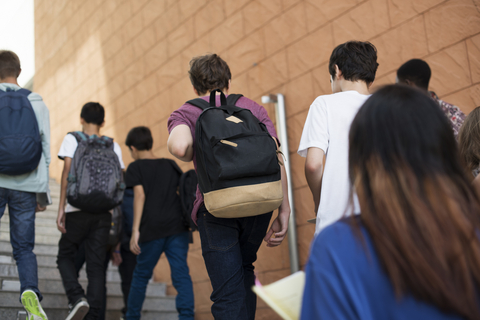
Learn4Life High Schools emphasizes the unique needs of foster students trying to balance uncertain home lives with meeting graduation requirements
Learn4Life, a network of 80+ public high schools, has a much more positive story to tell. In a survey of its foster youth graduates, more than 60 percent feel prepared or very prepared for life after high school, with an additional 34 percent feeling somewhat prepared. Learn4Life’s graduation rate for foster youth is 82 percent, compared to 67 percent of other California schools.3
Learn4Life School Counselor Jaspreet Kaur points out that most foster students have changed schools multiple times and are severely behind in credits. She offers these five essential strategies for the best possible outcomes for students in foster care:
- Personalized learning – Teachers assess each student’s strengths and learning style to create an education plan for them. “That way, they can get extra help wherever they need it and progress in subjects they’ve mastered…boosting their self-confidence,” she explains. Students receive life skills training such as stress management, financial literacy and job interview skills.
- Flexibility – Because they are often dealing with new living arrangements, a need to work or other challenges, Learn4Life lets students schedule their school time and teacher meetings around their situation. The teachers have flexibility to individualize their teaching to best engage with the student.
- School counselors – “Foster students tend to get lost in traditional high schools, which are not equipped to provide personalized attention,” Kaur said. Learn4Life has a lower student-to-counselor ratio than most schools, which allows them to spend more time with each student and get them the help they need – academically, emotionally and with wraparound services.
- Trauma-resilient approach to behavior issues – Many high schools suspend and expel foster students three times more often than other kids – especially for Black students.4 “The way we’re structured, we have an extremely low suspension rate. Because of individualized study, our students aren’t forced to keep up with other students and get frustrated. We don’t see much acting out from this population like other schools might,” Kaur said.
- Warm handoff to adulthood – Through its Alumni Services program, Learn4Life keeps in touch with its students for at least two years after they graduate, to help them find community resources, apply for financial aid or scholarships, enroll in college or trade school and anything they can to help them smooth the transition into adulthood.
May is Foster Care Awareness Month, a time to focus on foster families and the challenges the youth face. Kaur points out that for most of their lives they have dealt with uncertainty through no fault of their own.
“We understand that it’s going to be hard for any student to focus on school when their home life is lacking stability,” she said. “Our schools often become a second home to our students.”
For more information about Learn4Life and its personalized learning model, visit www.learn4life.org/about/personalized-learning-approach/.
About Learn4Life
Learn4Life is a network of nonprofit public high schools that provide students personalized learning, career training and life skills. Each school is locally controlled, tuition free and gives students the flexibility and one-on-one attention they need to succeed. Serving more than 64,000 students through a year-round program, we help them prepare for a future beyond high school. For more information, please visit www.learn4life.org.
1 California School Boards Association Research and Policy Brief on Foster Students, March 2026.
2 Alternative Family Services: Foster Youth Education in California
3 California Department of Education: Foster Youth in California Schools
4 California School Boards Association Research and Policy Brief on Foster Students, March 2026.
View source version on businesswire.com: https://www.businesswire.com/news/home/20260513447090/en/
Foster students tend to get lost in traditional high schools, which are not equipped to provide personalized attention
Contacts
MEDIA CONTACT
Roxana Janka, Learn4Life
PR@learn4life.org