Polymer insulators, also called composite insulators, are important parts of modern power systems. They are made from a mix of materials, like a fiberglass core and a polymer outer cover. The power industry prefers them because they are lightweight, perform well in tough conditions, and cost less than traditional porcelain or glass insulators. But there is more to learn about them. Let’s explore this topic further.
What Is A Polymer Insulator?
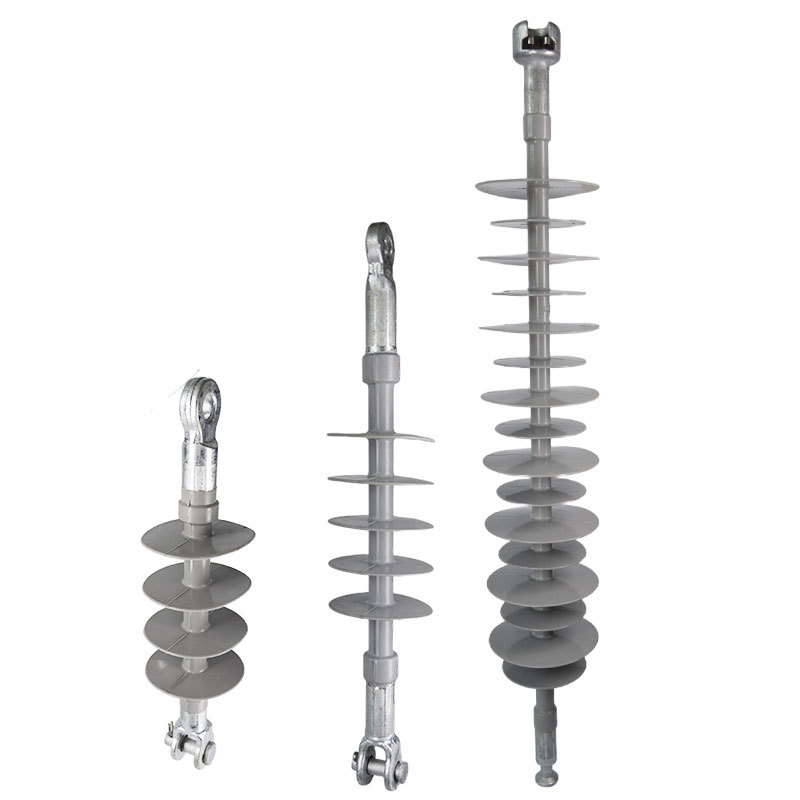
A polymer insulator is a type of electrical insulator designed to prevent the flow of electric current while supporting and isolating high-voltage power lines. Unlike traditional glass or porcelain insulators, polymer insulators are made from advanced materials that combine reinforced fiberglass cores with silicone rubber or epoxy resin outer housings. This design provides better performance in terms of resistance to weathering, contamination, and mechanical stress.
Polymer insulators are available in various designs and forms, such as suspension polymer insulators, line post insulators, pin insulators, and others. Their versatility makes them suitable for use in a wide range of applications, from high-voltage transmission lines to urban power distribution networks.
What Is Another Name For An Insulator?
In addition to "polymer insulator," these components are often referred to as composite insulators. This term is derived from their construction, which blends multiple materials to create a lightweight, durable, and efficient solution for electrical insulation. Other related terms that may be used to describe insulators in general include "dielectric materials" and "electrical isolators."
Types Of Polymer Insulators
Polymer insulators can be classified into different types based on their specific application and design. The four main types of insulators include:
- Pin Insulators: Typically used for lower voltage applications and mounted directly onto poles or crossarms.
- Suspension Insulators: Designed for high-voltage transmission lines, often arranged in series to support longer spans.
- Post Insulators: Commonly used in substations or on distribution poles to provide mechanical support and electrical insulation.
- Strain Insulators: Ideal for withstanding mechanical stress in tensioned power line applications, such as sharp turns or end points.
Each of these types can benefit from polymer construction, as the material enhances their durability and performance in challenging conditions.
Advantages Of Polymer Insulators
The growing popularity of polymer insulators in the power sector can be attributed to several key advantages, including:
- Lightweight: Polymer insulators are significantly lighter than porcelain or glass insulators, reducing the overall load on transmission towers and making transportation and installation easier.
- High Resistance To Weathering: The silicone rubber housing provides excellent resistance to UV radiation, moisture, and temperature fluctuations.
- Self-Cleaning Properties: The hydrophobic nature of the outer material prevents the buildup of dirt and contaminants, reducing maintenance requirements.
- Improved Safety: Polymer insulators are shatterproof and have lower risks of catastrophic failure compared to traditional options.
- Cost-Effective: Their durability and low maintenance needs translate to significant cost savings over time.
Applications Of Polymer Insulators
Polymer insulators are versatile and can be used in a range of applications, including:
- High-voltage transmission lines
- Medium and low-voltage distribution systems
- Railways and electrified transit systems
- Switchgear and substations
- Industrial electrical networks
Their adaptability and superior performance in various environments make polymer insulators a top choice for utilities and industries worldwide.
Frequently Asked QuestionsWhat Is Another Name For An Insulator?
Another name for "polymer insulator" is composite insulator. The term emphasizes the combination of materials used in its construction, including fiberglass-reinforced cores and polymer sheaths. "Electrical isolator" is another general term that may be used.
What Is A Polymer Insulator?
A polymer insulator is an advanced type of electrical insulator made from composite materials like fiberglass and silicone rubber. These insulators prevent electrical currents from flowing while providing excellent mechanical support.
What Are The 4 Types Of Insulators?
The four main types of insulators are pin insulators, suspension insulators, post insulators, and strain insulators. Polymer insulators can be designed to fit any of these types, offering enhanced durability and performance.
For further insights or assistance in selecting the right polymer insulator for your specific needs, feel free to reach out to a trusted supplier or expert in electrical insulation solutions.
Keywords: polymer insulator, composite insulator, suspension polymer insulator
In conclusion, polymer insulators, also known as composite insulators, represent a modern and efficient solution for electrical insulation and power line applications. They come in different types to suit various needs and offer numerous benefits, including lightweight construction, high durability, weather resistance, and cost efficiency. Whether used in power transmission, distribution, or industrial systems, polymer insulators have proven to be a reliable choice for ensuring the safe and efficient operation of electrical networks. By understanding their features, advantages, and applications, you'll be better equipped to decide if these insulators are the right fit for your projects.
Media Contact
Company Name: Jiangxi Taikong Power Technology Co., Ltd.
Email: Send Email
Country: China
Website: taikongpower.com